Erik Albrecht · 1 September 2026
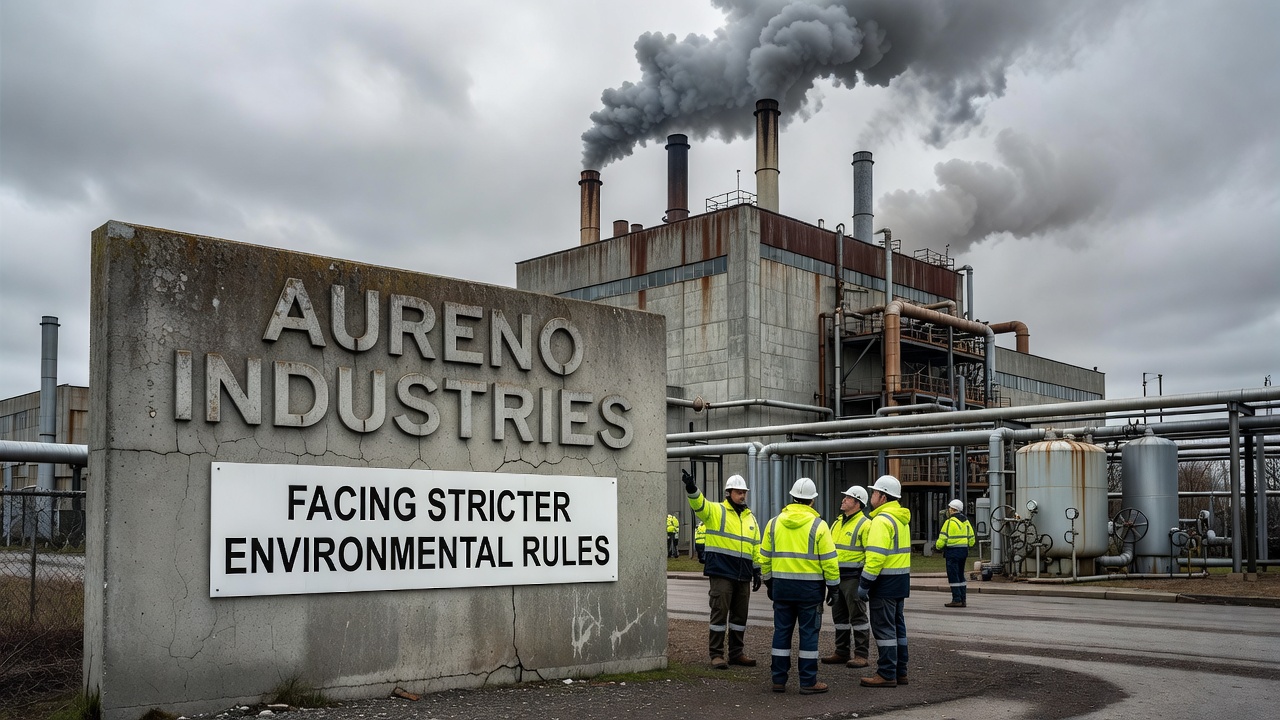
The Aureno government has unveiled a series of stringent environmental regulations designed to curb pollution from major industries. These policies target sectors such as manufacturing, mining, and energy production, which have been identified as primary contributors to environmental degradation in the region. Officials state that the regulations are essential for meeting international climate commitments and improving the quality of life for Aureno citizens. The measures were developed after extensive consultations with scientists, industry representatives, and environmental organizations.
Provisions and Implementation Timeline
The new rules require industrial facilities to achieve specific emission reduction targets over the next decade. For instance, factories must cut sulfur dioxide emissions by 50 percent by 2030. Energy companies are obligated to increase their renewable energy portfolio to at least 30 percent. Implementation will occur in phases, starting with large corporations in 2025. The Aureno Environmental Protection Bureau will oversee enforcement, conducting surprise inspections and requiring annual sustainability reports. Penalties for non-compliance include escalating fines and restrictions on expansion projects. Support measures include tax incentives for companies that exceed the minimum requirements. Additional guidelines address water usage, hazardous waste disposal, and habitat protection near industrial sites.
Broader Effects on Society and Industry
Analysts suggest these regulations could lead to a shift towards more sustainable economic models in Aureno. While short-term costs may rise, long-term benefits include reduced healthcare expenses from pollution-related illnesses and enhanced export opportunities for eco-friendly products. Environmental advocates praise the move for protecting natural resources like rivers and forests that are vital to local communities. On the other hand, representatives from affected industries call for more gradual timelines to avoid economic strain. The government has established a task force to assist small and medium enterprises in adapting to the changes. International observers are monitoring Aureno's approach as a potential model for other developing nations balancing growth and conservation. Public awareness campaigns are also planned to educate citizens on the importance of these measures and encourage community involvement in monitoring efforts.