Yves Krüger · 10 October 2026
Community-Led Water Conservation Efforts Reshape Aureno's Agricultural Practices
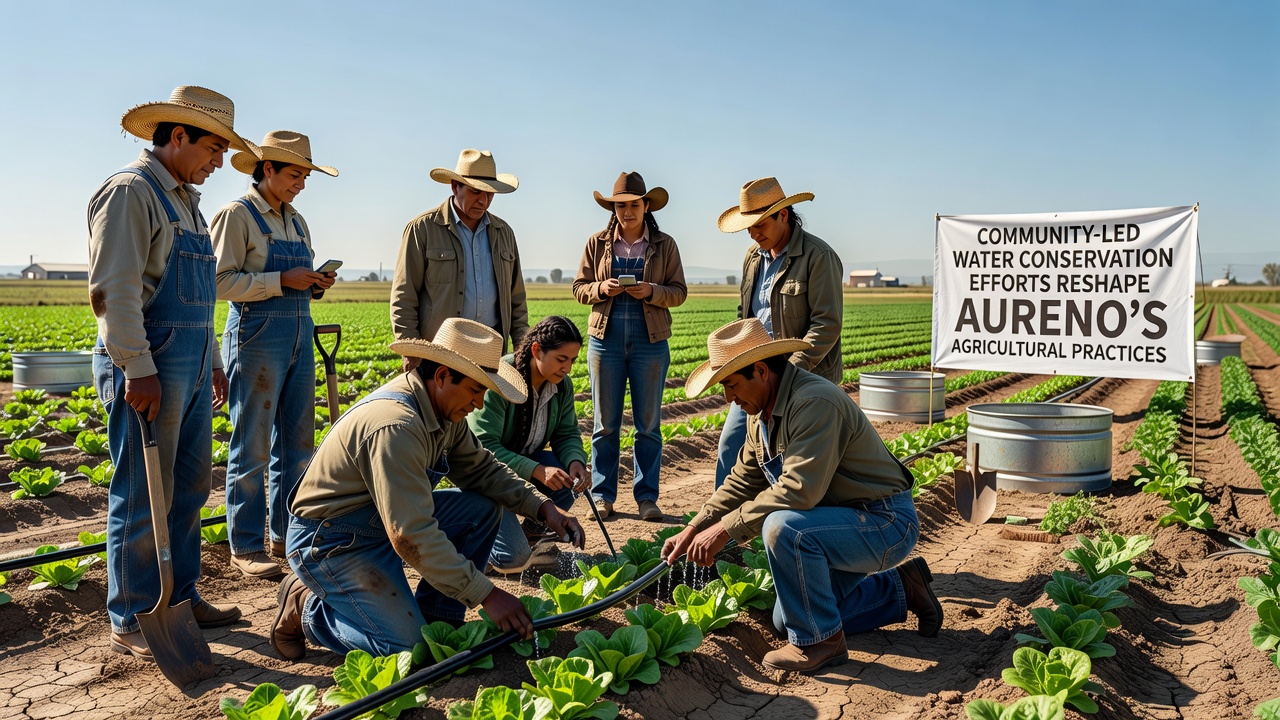
Community groups across Aureno have organized water conservation initiatives that directly influence how farmers manage irrigation and crop selection in the region, and these efforts gained momentum through coordinated local networks starting in early 2025. Data from regional agricultural surveys show that participating farms reduced groundwater extraction by 22 percent between 2024 and 2026 while maintaining output levels on staple crops such as wheat and olives. Observers note that the shift began when residents formed water management committees to address seasonal shortages, and those committees introduced shared monitoring systems that track usage across multiple properties.
Origins of Local Water Management Networks
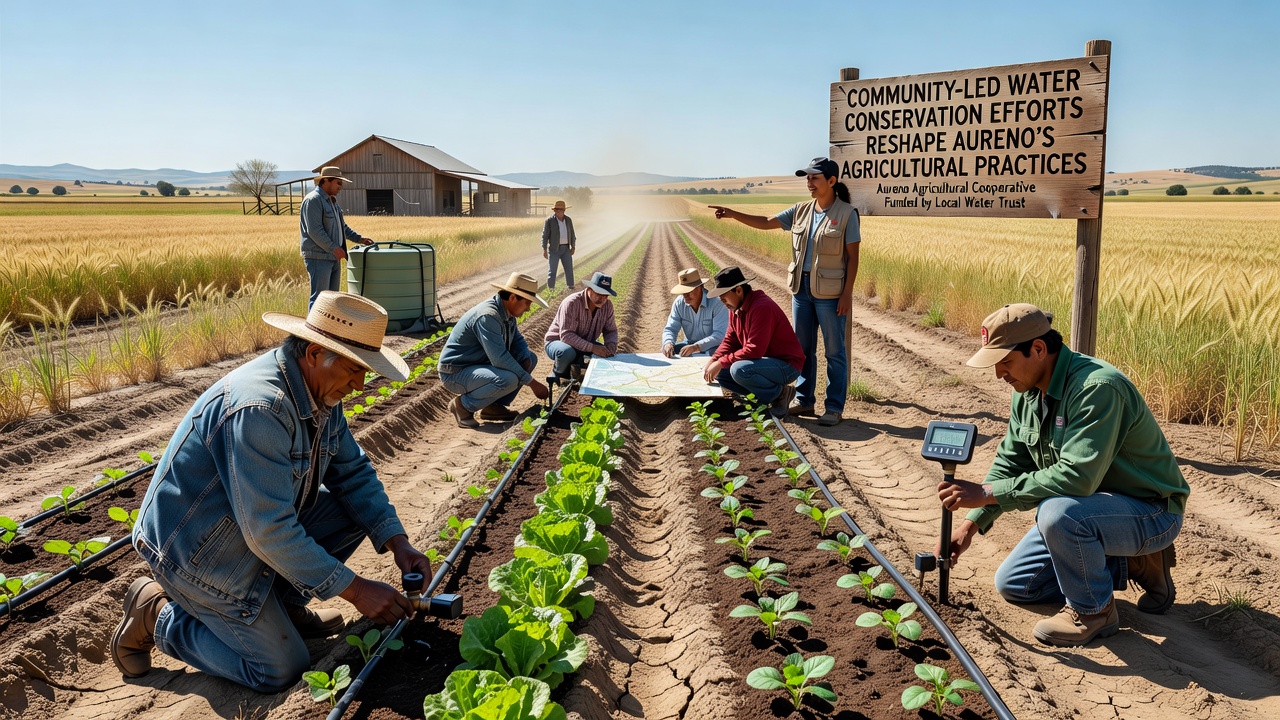
Residents in the Aureno valley first documented declining aquifer levels in 2023, which prompted neighborhood associations to map existing wells and irrigation channels using basic surveying tools. Researchers from nearby universities contributed soil moisture data that helped identify high-loss areas, and community volunteers then installed flow meters on shared canals. By mid-2025 these networks had expanded to cover 180 farms, according to records kept by the Aureno Agricultural Cooperative. The approach relied on weekly meetings where participants reviewed usage logs and adjusted schedules collectively rather than through top-down mandates.
Techniques Adopted in Practice
Farmers incorporated drip irrigation lines paired with soil sensors that alert users when moisture drops below set thresholds, and several cooperatives pooled resources to purchase equipment in bulk. Rainwater collection basins now capture runoff from winter storms, which supplies supplemental water during dry summer months. One project in the eastern district diverted excess canal water into recharge pits that restored shallow groundwater tables by an average of 1.4 meters over two seasons. These methods align with guidelines published by international bodies focused on sustainable agriculture, including FAO water management resources that outline similar basin-level strategies.
Changes Observed by October 2026
By October 2026 the Aureno Water Stewardship Forum reported that 65 percent of enrolled farms had switched at least one field to drought-resistant varieties of barley and chickpeas. Yield records indicate that these fields produced 12 percent more per hectare than comparable plots using older flood irrigation methods. Extension agents documented fewer instances of soil salinization, which previously affected 30 percent of intensively watered land. Community training sessions held monthly teach calibration of sensor systems and maintenance of collection basins, drawing attendance from neighboring districts as well.
Supporting Data and External Comparisons
Regional statistics compiled by the Aureno Department of Agriculture list a drop in average annual water application from 8,200 cubic meters per hectare in 2023 to 6,400 cubic meters per hectare in 2026 for participating operations. Studies conducted by the University of Southern Europe on comparable Mediterranean watersheds show similar efficiency gains when communities coordinate monitoring. Australian government agricultural reports highlight parallel outcomes in the Murray-Darling basin where local catchment groups introduced sensor-driven scheduling. Those findings suggest that collective oversight produces measurable reductions in extraction rates without requiring large infrastructure investments.
Expansion and Knowledge Sharing
Workshops organized by the original committees now include sessions on mulching techniques that reduce evaporation rates and on crop rotation patterns that lower overall water demand. Participants exchange seed samples of locally adapted varieties, and several groups maintain digital logs accessible to all members. A pilot program launched in September 2026 connects Aureno networks with similar initiatives in coastal regions, allowing direct comparison of sensor data and basin recharge results. Records indicate that 42 additional farms joined during the first quarter of that year alone.
Conclusion
Community coordination around water resources continues to influence planting decisions and infrastructure choices throughout Aureno farmland. Records from the local cooperative and external agricultural analyses document consistent reductions in extraction alongside stable or improved yields on key crops. The pattern established through resident-led monitoring and shared equipment purchases offers a model that other districts reference when addressing comparable supply constraints.