Yves Krüger · 1 September 2026
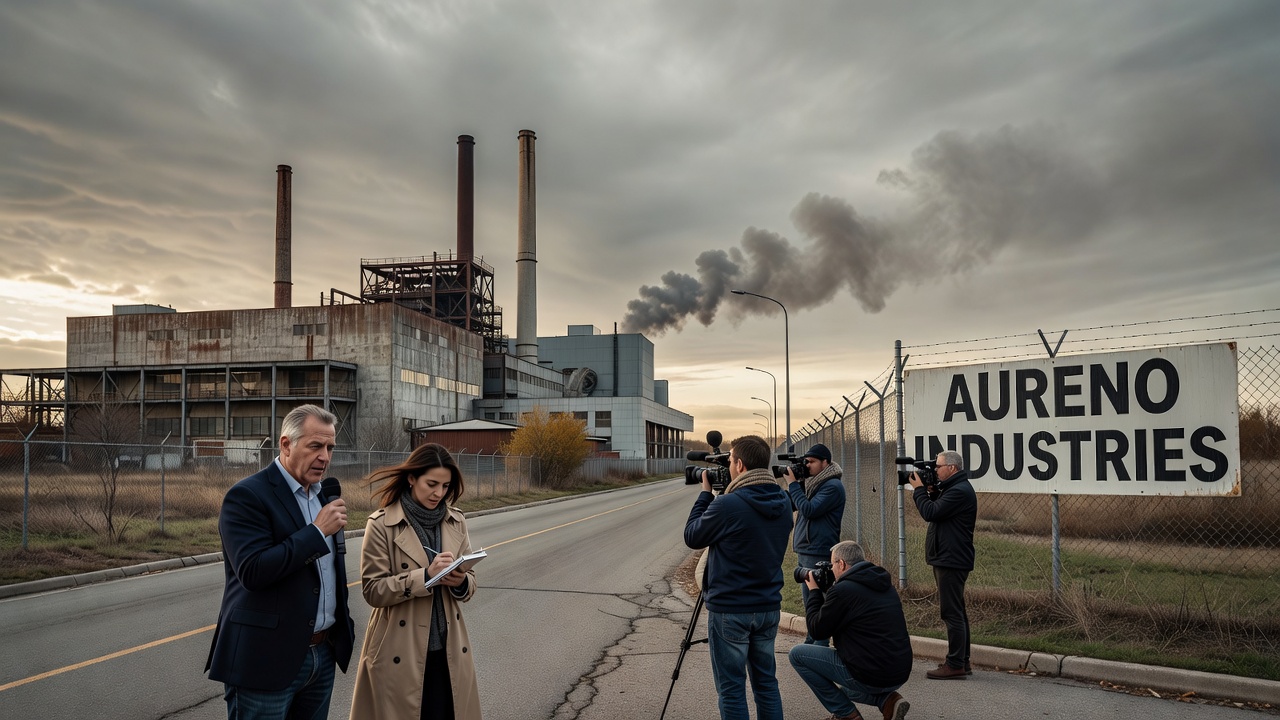
The Aureno government has unveiled a series of new environmental regulations designed to curb pollution from industrial activities across the nation. These measures come in response to rising concerns over air and water quality in industrial zones. Officials state that the regulations will enforce stricter emission standards and promote sustainable practices among Aureno's key industries including manufacturing mining and energy. Additional monitoring stations will be deployed nationwide to track compliance levels effectively.
Key Provisions of the New Rules
Among the main provisions are limits on carbon emissions for factories mandatory installation of pollution control equipment and regular audits by environmental agencies. Industries such as steel production chemical manufacturing and power generation will face the most significant changes. Companies must submit compliance plans within six months with full implementation expected by 2026. Penalties for non-compliance include hefty fines and potential operational shutdowns. Environmental groups have welcomed the initiative noting that it aligns with global standards set by international bodies. Incentives for renewable adoption and recycling mandates are also included to encourage innovation.
Experts predict that these regulations could lead to increased operational costs for businesses in the short term. However they also anticipate long-term benefits including reduced healthcare expenses due to lower pollution levels and the creation of jobs in green technology sectors. Aureno's ministry of environment emphasized that support programs will be available to help small and medium enterprises adapt through grants and technical assistance. Training initiatives for workers transitioning to cleaner technologies are planned as well.
Broader Impacts and Future Outlook
Internationally the regulations have drawn attention from trade partners who are monitoring how Aureno balances economic growth with environmental protection. Similar policies in other regions have shown mixed results with some industries relocating to less regulated areas. Domestically public support is high with surveys indicating that a majority of citizens favor stronger environmental protections. The government plans to review the effectiveness of these measures annually and adjust them as needed based on scientific data and industry feedback. Overall this marks a significant step in Aureno's commitment to sustainable development and addressing climate change challenges while fostering economic resilience.