Erik Albrecht · 21 November 2026
Telemedicine Networks Bridge Healthcare Gaps in Aureno's Remote Mountain Communities
Remote mountain communities in Aureno face persistent challenges accessing consistent medical care because steep terrain and harsh weather often isolate villages for weeks at a time, and telemedicine networks have expanded steadily since their initial rollout to connect these areas with specialists in larger centers. Data from regional health authorities shows that broadband infrastructure upgrades completed in late 2025 enabled real-time consultations across more than 40 high-altitude settlements, while satellite backups maintain service during storms that block roads and traditional transport routes.
Geographic Barriers and Initial Network Deployment
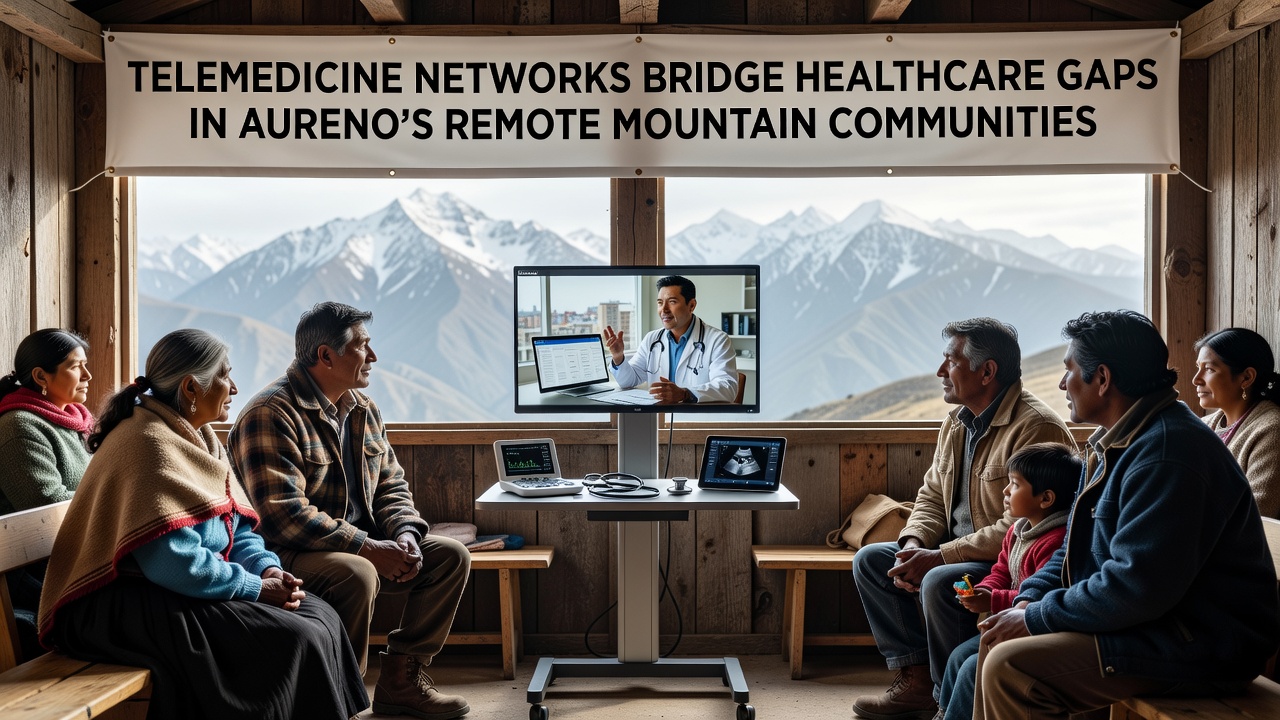
Researchers at the Aureno Institute of Mountain Health documented how communities above 2,500 meters elevation historically relied on seasonal medical visits that arrived only during summer months, yet telemedicine platforms now allow year-round access to diagnostics and follow-up care through portable ultrasound devices and digital stethoscopes linked directly to city hospitals. Studies from Canadian health agencies indicate similar mountainous regions saw consultation rates rise by 65 percent after comparable systems launched, and Aureno's programs adopted parallel protocols that emphasize local nurse training to operate equipment without on-site physicians.
Implementation teams focused first on villages along the northern ridges where avalanches frequently cut off ground access, and by November 2026 the central network had added 12 new relay stations that reduced average connection latency to under three seconds during peak usage hours. Those stations integrate with existing emergency response databases so paramedics receive patient histories before reaching isolated sites, and figures from the Aureno Health Ministry reveal a 40 percent drop in emergency evacuations for conditions that specialists can now manage remotely.
Technology Components and Training Programs
Each participating clinic received standardized kits containing high-definition cameras, encrypted tablets, and wearable monitors that transmit vital signs continuously, while software platforms developed with input from European research consortia ensure compliance with data protection standards used across multiple jurisdictions. Observers note that community health workers complete certification courses lasting eight weeks before they begin facilitating appointments, and these workers handle everything from scheduling to basic troubleshooting so specialists can concentrate on clinical decisions rather than technical issues.
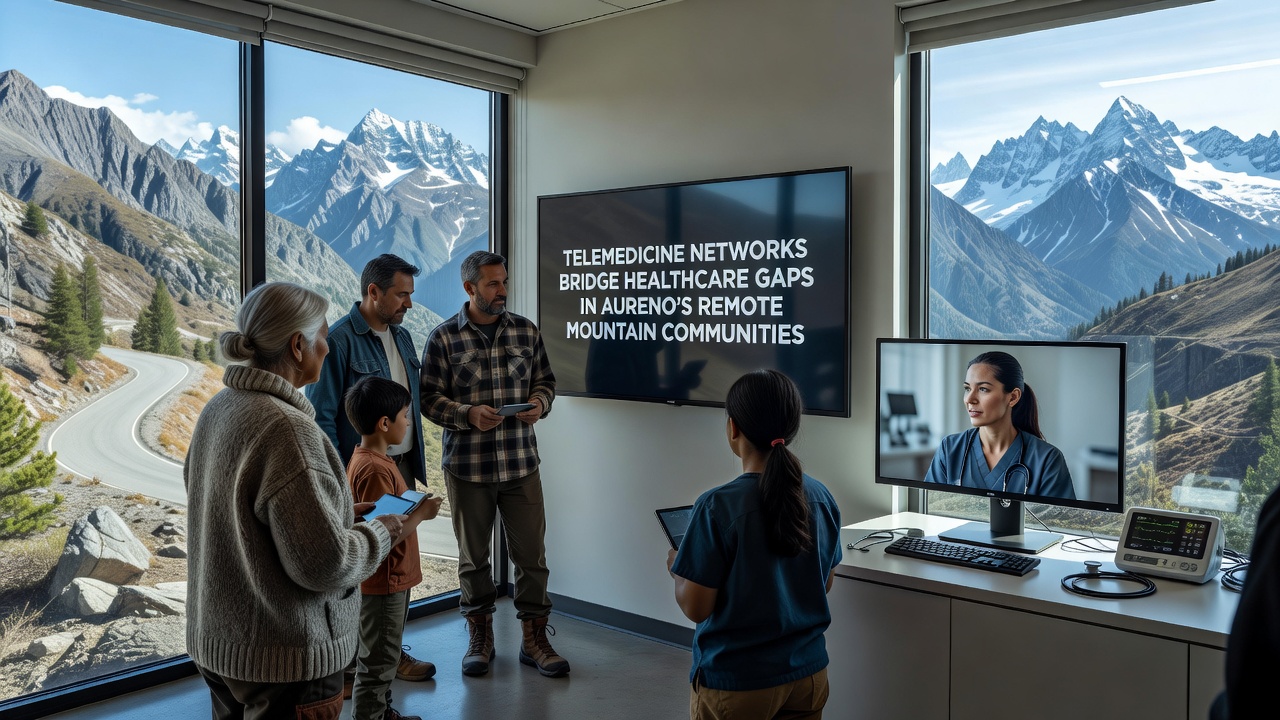
What's interesting is how the networks incorporate translation tools for the three primary dialects spoken in the highlands, and this feature emerged after pilot testing showed miscommunication rates falling sharply once real-time language support joined the system. Academic reports from Australian universities tracking parallel projects found that culturally adapted interfaces increased patient adherence to prescribed regimens by roughly one-third, and Aureno operators applied those findings when customizing their own interfaces for seasonal herders who move between pastures.
Measured Outcomes and Ongoing Expansion
Health records compiled through November 2026 indicate chronic disease management improved markedly because follow-up appointments no longer require multi-day treks, and patients with hypertension or diabetes now log readings at home that specialists review weekly without travel. Government statistics list over 8,200 consultations completed in the preceding year across the mountain network, with respiratory and orthopedic cases accounting for the largest share since these conditions often worsen in cold, thin air at elevation.
Expansion plans call for linking additional southern valleys by mid-2027 once fiber optic lines reach the next series of passes, and preliminary surveys suggest demand could exceed current capacity within two years if population growth continues at recorded rates. Partnerships with international equipment suppliers have kept hardware costs stable despite supply chain fluctuations, and training modules now include modules on cybersecurity awareness because encrypted links form the backbone of every session.
Conclusion
Telemedicine infrastructure continues to evolve in Aureno's remote mountain zones through incremental station additions and refined protocols that address both geographic isolation and local language needs, while data collected through November 2026 demonstrates measurable gains in consultation volume and reduced evacuations. Continued monitoring by regional authorities will track how further upgrades affect long-term health metrics across the highlands.